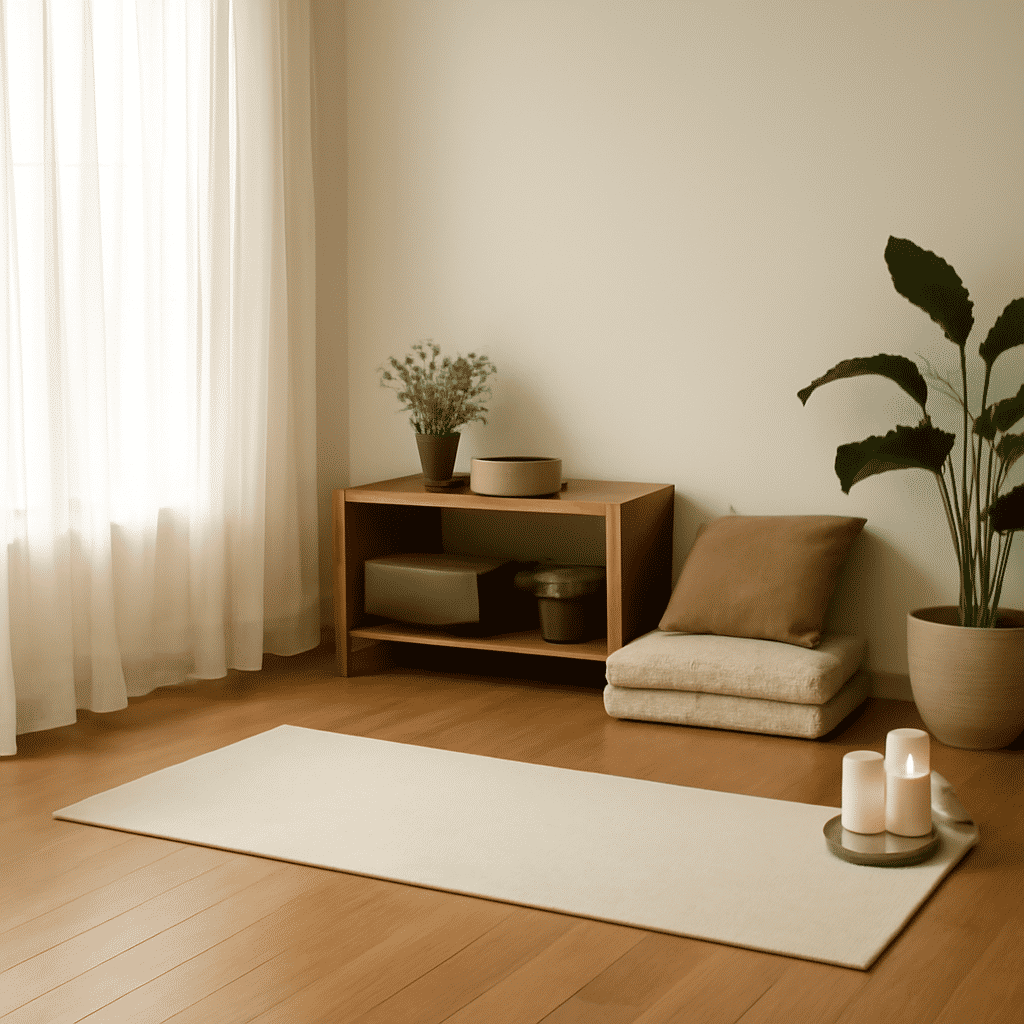
Creating a personal yoga sanctuary at home is a wonderful way to deepen your yoga practice and cultivate a sense of peace and well-being in your daily life. By transforming a dedicated space into a tranquil retreat, you can foster a consistent practice that nurtures both body and mind.
Choose Your Space Wisely
When selecting a location for your yoga sanctuary, consider a space that provides quiet and privacy. A spare bedroom, a corner in your living room, or even a screened-in porch can make for a suitable yoga nook. The key is to ensure the area is free from distractions and large enough to accommodate your mat and any additional props you may use.
Clear the Clutter
A clean, uncluttered space is vital for creating a serene atmosphere. Remove unnecessary items and only keep essentials that contribute to your practice. This minimalistic approach will help clear your mind and enhance focus during your sessions.
Design with Intention
The visual and sensory elements of your sanctuary play a crucial role in setting the right mood. Consider using soft, calming colors on the walls, such as muted greens, blues, or earth tones, to promote tranquility. Introduce natural materials like bamboo, jute, or wool for rugs, cushions, and throws to add texture and warmth.
Lighting Matters
Lighting can dramatically influence the ambiance of your yoga space. Take advantage of natural light during the day, positioning your mat near windows if possible. For evening sessions, opt for soft, adjustable lighting like dimmable lamps or string lights to create a peaceful glow. Candles are also a wonderful addition for their gentle illumination and soothing presence.
Incorporate Aromatherapy
Scent can enhance your yoga practice by helping you relax and set intentions. Use essential oils like lavender, eucalyptus, or sandalwood in a diffuser to fill the room with calming aromas. Alternatively, scented candles or incense can provide a similar effect.
Embrace Nature
Integrating elements of nature helps ground your practice and connect with the world around you. Introduce plants or flowers to purify the air and add a touch of greenery. If live plants aren't feasible, consider artwork or photographs depicting natural landscapes.
Personalize Your Space
Infuse your sanctuary with personal touches that resonate with you. Display meaningful items such as statues, crystals, or a small altar to serve as a focal point during meditation. Inspirational quotes or yoga philosophy excerpts can also offer daily motivation and reflection.
Equip Your Sanctuary
Having the right tools on hand encourages regular practice. Ensure your space is stocked with essential items such as a quality yoga mat, blocks, straps, bolsters, and blankets. A meditation cushion or stool can also be beneficial for seated meditations.
Establish a Routine
Create a consistent schedule that allows you to practice regularly. Whether it's a vigorous morning session to energize your day or a gentle evening stretch to unwind, aligning your practice with your personal rhythm will help sustain motivation and commitment.
Mindfulness and Presence
Finally, remember that the essence of yoga is mindfulness. Each time you enter your sanctuary, leave behind external stresses and thoughts. Approach your practice with a sense of presence, allowing your space to be a haven of calm and self-discovery.
By thoughtfully designing a personal yoga sanctuary at home, you're investing in a space that not only supports your physical practice but also cultivates mental clarity and emotional balance. Over time, your sanctuary will become a cherished part of your home, encouraging you to explore the profound benefits of yoga with each visit.