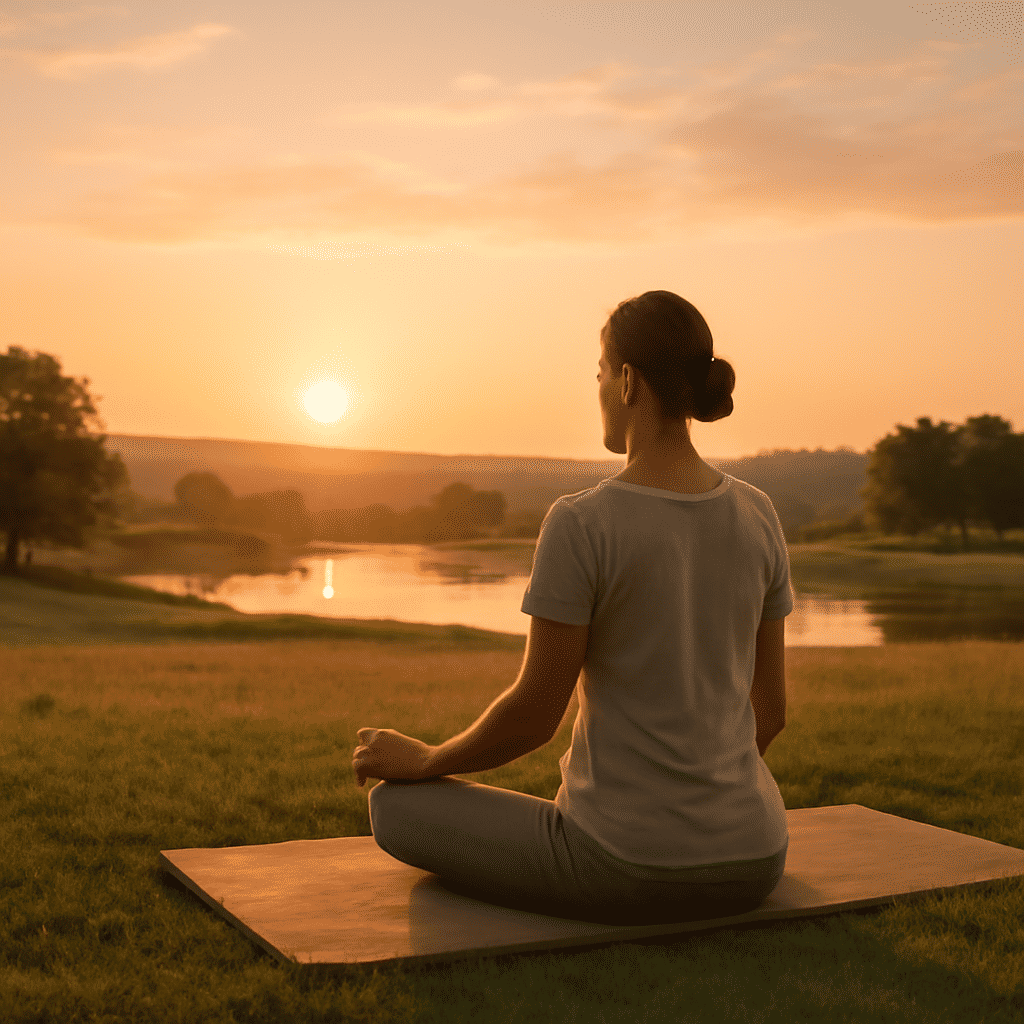
The modern world, with its relentless demands and constant chaos, has driven many to seek a sanctuary within themselves. Meditation and yoga have emerged as prominent practices for those looking to cultivate inner peace, grounding individuals in the present and fostering a connection between the mind, body, and spirit.
The symbiotic relationship between meditation and yoga is deeply rooted in ancient philosophies. Yoga, often perceived merely as a physical exercise, is intrinsically linked to meditation. Both practices, though performed differently, share a common goal: achieving a heightened state of awareness and tranquility.
Yoga, with its various forms such as Hatha, Vinyasa, and Ashtanga, begins its journey externally. Through physical postures or asanas, practitioners stretch, balance, and strengthen the body, enabling the release of physical tension and enhancing flexibility. These asanas are more than just physical movements; they are gateways to a calmer mind. Each pose encourages a focus on breath and body alignment, creating a meditative state that quiets the mind's incessant chatter. This physical practice becomes a moving meditation, where attention to breathing and presence is integral.
Meditation, on the other hand, emphasizes the internal landscape from the outset. It invites practitioners to sit in stillness, focusing the mind and fostering an awareness of the present moment. Techniques vary from guided visualizations, mantra repetition, to simple breath observation. Despite these differences, all paths lead to mental clarity and emotional balance. Regular meditation practitioners often report a profound sense of calmness and a heightened ability to manage stressors.
The synergy between yoga and meditation lies in their mutual support. Yoga prepares the body for meditation by easing restlessness and physical discomfort, making it easier to sit in prolonged stillness. Simultaneously, meditation supports yoga by cultivating the mindfulness necessary to stay present in each pose, avoiding injury and ensuring a deeper practice. Together, they form a holistic approach to well-being, addressing both the physical and psychological dimensions of health.
For those starting their journey towards inner peace, integrating meditation with yoga can be an effective approach. Begin with a simple yoga practice that focuses on breathwork and gentle stretches, such as Child’s Pose or Cat-Cow, to warm up the body. Follow this with a few minutes of seated meditation, concentrating on each inhalation and exhalation. Gradually increase the length and complexity of both practices as comfort levels grow. Consider exploring breathing techniques such as Pranayama to bolster the connection between the two practices, facilitating deeper relaxation and mental focus.
Over time, as the body becomes more adept at holding poses and the mind becomes more skilled at maintaining focus, practitioners often find an enhanced ability to navigate the hustle and bustle of life with grace and equanimity. This harmony and balance are the essence of inner peace, achievable through the consistent practice of yoga and meditation.
Ultimately, the path to inner peace is a deeply personal journey, one that benefits immensely from the intertwined practices of yoga and meditation. While distinct in their approaches, together they provide a comprehensive framework for cultivating mindfulness, resilience, and tranquility, helping individuals find a sanctuary of calm amidst life’s uncertainties.