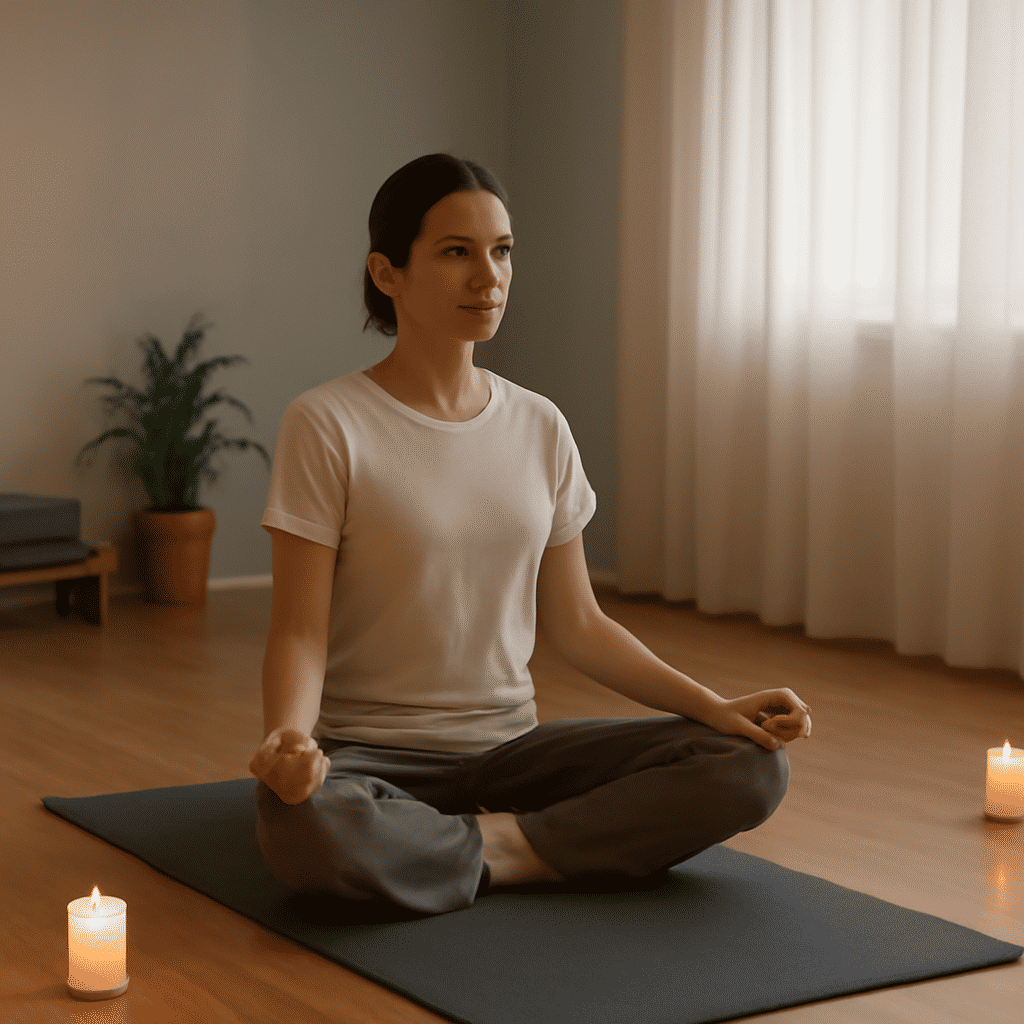
In today's fast-paced world, stress has become an all-too-familiar companion in our daily lives. As we juggle the demands of work, family, and personal aspirations, finding effective ways to manage stress becomes vital for maintaining our overall well-being. One holistic approach that has gained widespread recognition for its stress-relief benefits is yoga. By incorporating yoga techniques into your routine, you can foster a sense of calm and nurture a more relaxed lifestyle.
Understanding Stress and Yoga's Role
Stress manifests in various forms—be it physical tension, emotional strain, or mental clutter. Yoga addresses these stressors by balancing the mind, body, and spirit, providing a comprehensive approach to stress management. Through a blend of physical postures, breathing exercises, and meditation, yoga helps reduce cortisol levels, the primary stress hormone, and enhances the production of endorphins, the body’s natural mood elevators.
Effective Yoga Techniques for Stress Relief
-
Deep Breathing (Pranayama): Breathing is the essence of life, and pranayama focuses on controlling the breath. Techniques such as diaphragmatic breathing or alternate nostril breathing can instill tranquility and improve focus. Spending a few minutes daily focusing on your breath can significantly reduce anxiety levels and promote emotional stability.
-
Gentle Yoga Poses (Asanas): Simple yoga poses can be remarkably effective in releasing physical tension and calming the mind. Some beneficial postures include:
-
Child’s Pose (Balasana): This restful pose eases tension in the back and shoulders while encouraging introspection and surrender.
-
Legs-Up-The-Wall Pose (Viparita Karani): Ideal for reducing fatigue and promoting relaxation, this pose aids in improving circulation and revitalizing energy levels.
-
Cat-Cow Stretch (Marjaryasana-Bitilasana): Gentle spinal movements help in improving flexibility and easing stress accumulated along the spine.
-
-
Mindful Meditation: Incorporating mindfulness meditation into your yoga practice enhances your ability to remain present and aware, reducing the grip of stress-inducing thoughts. Whether it's a guided meditation or simply observing your thoughts without judgment, mindfulness can reshape your response to stress.
-
Yoga Nidra: Also known as yogic sleep, Yoga Nidra is a deep relaxation technique that guides you into a state of conscious sleep where the body and mind can heal and rejuvenate. Regular practice of Yoga Nidra can foster a profound sense of peace and clarity, making it an invaluable tool against stress.
-
Progressive Relaxation: This technique involves systematically tensing and then relaxing each muscle group in the body. It encourages awareness of physical tension and trains you to consciously release it, leaving the body more relaxed and the mind clearer.
Incorporating Yoga into Your Daily Routine
Start small and gradually build your practice to prevent feeling overwhelmed. Here are some tips to successfully integrate yoga into your routine:
-
Consistency Over Quantity: Practice regularly, even if it’s just for a few minutes each day, rather than occasional long sessions.
-
Create a Calm Space: Designate a quiet area in your home as your yoga space. Surround it with soothing elements like dim lighting, incense, or calming music to enhance relaxation.
-
Set Intentions: Before starting your practice, set a clear intention to focus your energy and attention. It could be cultivating peace, letting go of stress, or developing patience.
-
Listen to Your Body: Honor your body’s limits and understand that your yoga practice is uniquely yours. Adjust poses as needed and avoid pushing yourself into discomfort.
By embracing these yoga techniques, you not only address the symptoms of stress but also nurture a lifestyle that prioritizes calmness and relaxation. Yoga serves as a bridge to a balanced life, offering you the tools to navigate life’s challenges with grace and resilience. As you explore these practices, expect a transformation—not just on the mat, but in your everyday interactions and perceptions of the world.