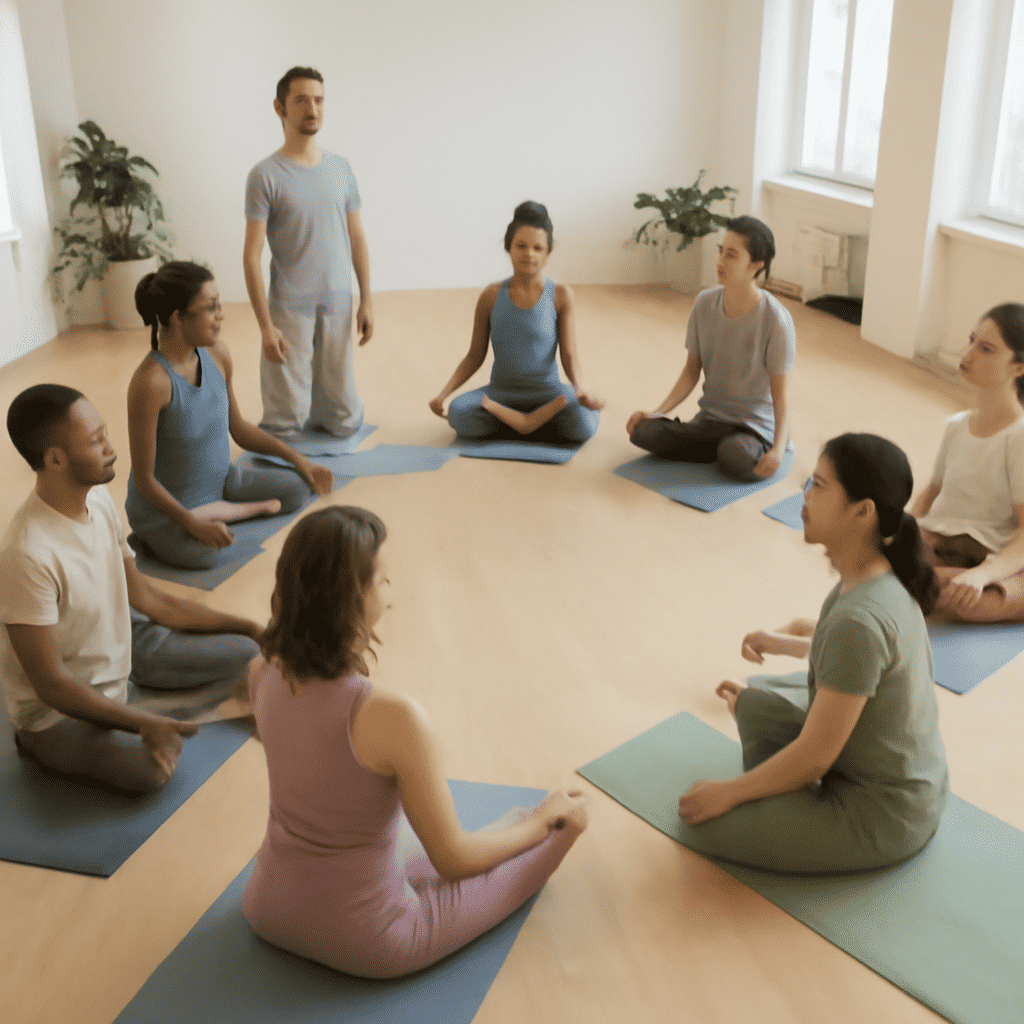
In today's fast-paced world, where stress and anxiety often take center stage, the quest for holistic wellness has never been more pertinent. The wisdom of ancient practices, particularly yoga, offers an integrative approach to achieving balance, peace, and harmony within our lives. By uniting the body, mind, and spirit, these practices offer a path to true and sustainable wellness.
Yoga, often perceived as simply a physical exercise, is actually a profound philosophical system that encompasses various aspects of health and well-being. Its origins can be traced back thousands of years to ancient India, where it developed as a comprehensive lifestyle practice. At its core, yoga is about achieving a union of the individual's consciousness with the universal consciousness, or a merging of the self with the divine. This union is not only about spiritual enlightenment; it is also about finding balance and harmony within oneself.
An integrative yoga practice involves more than just mastering physical postures or asanas. While these postures do play a crucial role in enhancing flexibility, strength, and physical health, they are just one piece of a larger puzzle. A holistic approach to yoga incorporates breath work (pranayama), meditation, and mindfulness, each aspect working synergistically to promote holistic wellness.
Breath work, or pranayama, is a fundamental component of yoga that focuses on the control and regulation of breath. This practice has a profound impact on our mental and emotional states, providing a gateway to inner peace and clarity. By mastering our breath, we can influence our nervous system, reduce stress, and cultivate a sense of calm and focus. This is particularly beneficial in our modern, high-stress environments, where anxiety and mental fatigue are commonplace.
Meditation is another critical element of an integrative yoga practice. It allows us to quiet the mind and cultivate a profound sense of awareness. Through meditation, we learn to observe our thoughts and emotions without judgment, fostering a sense of acceptance and self-compassion. In doing so, we can disconnect from the incessant mental chatter that often clouds our perception and contributes to stress and conflict in our lives.
Mindfulness, closely related to meditation, involves bringing our full attention to the present moment. This practice encourages us to engage fully with our current experience, whether it be our breath, our body, or the world around us. Mindfulness helps us to break free from the autopilot mode of living, allowing us to appreciate life more fully and make more conscious choices.
By integrating these components, an holistic yoga practice offers more than just physical benefits. It provides a transformative path to overall wellness, supporting mental clarity, emotional stability, and spiritual growth. As we embark on this journey of integration, we begin to harmonize the different aspects of our being, paving the way for a life of balance, vitality, and inner peace.
In conclusion, adopting a holistic path to wellness through integrative yoga practices is about much more than achieving physical prowess. It is a journey of self-discovery and transformation, a journey that unites our body, mind, and spirit. In doing so, we not only improve our own lives but also foster a deeper connection with the world around us, promoting a more harmonious and balanced existence. As we embrace this holistic approach, we open ourselves up to a life of greater awareness, peace, and fulfillment.